
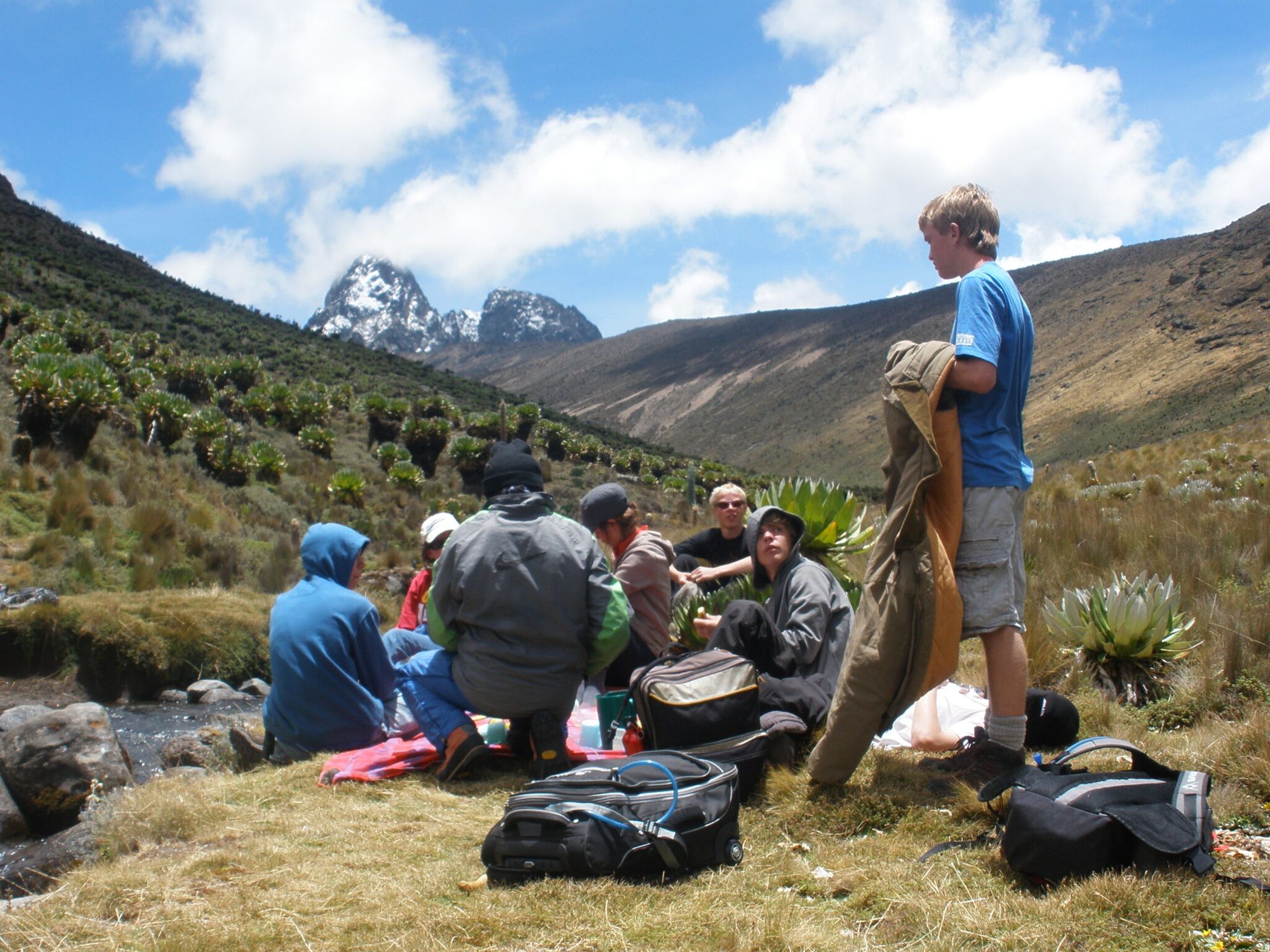
Mount Kenya hiking tours present a rare blend of elevation, ecological diversity, and structured adventure. The mountain rises with layered terrain that shifts from dense forest to open moorland and rugged alpine zones. This vertical variation creates a dynamic hiking environment that keeps each stage engaging and visually distinct.
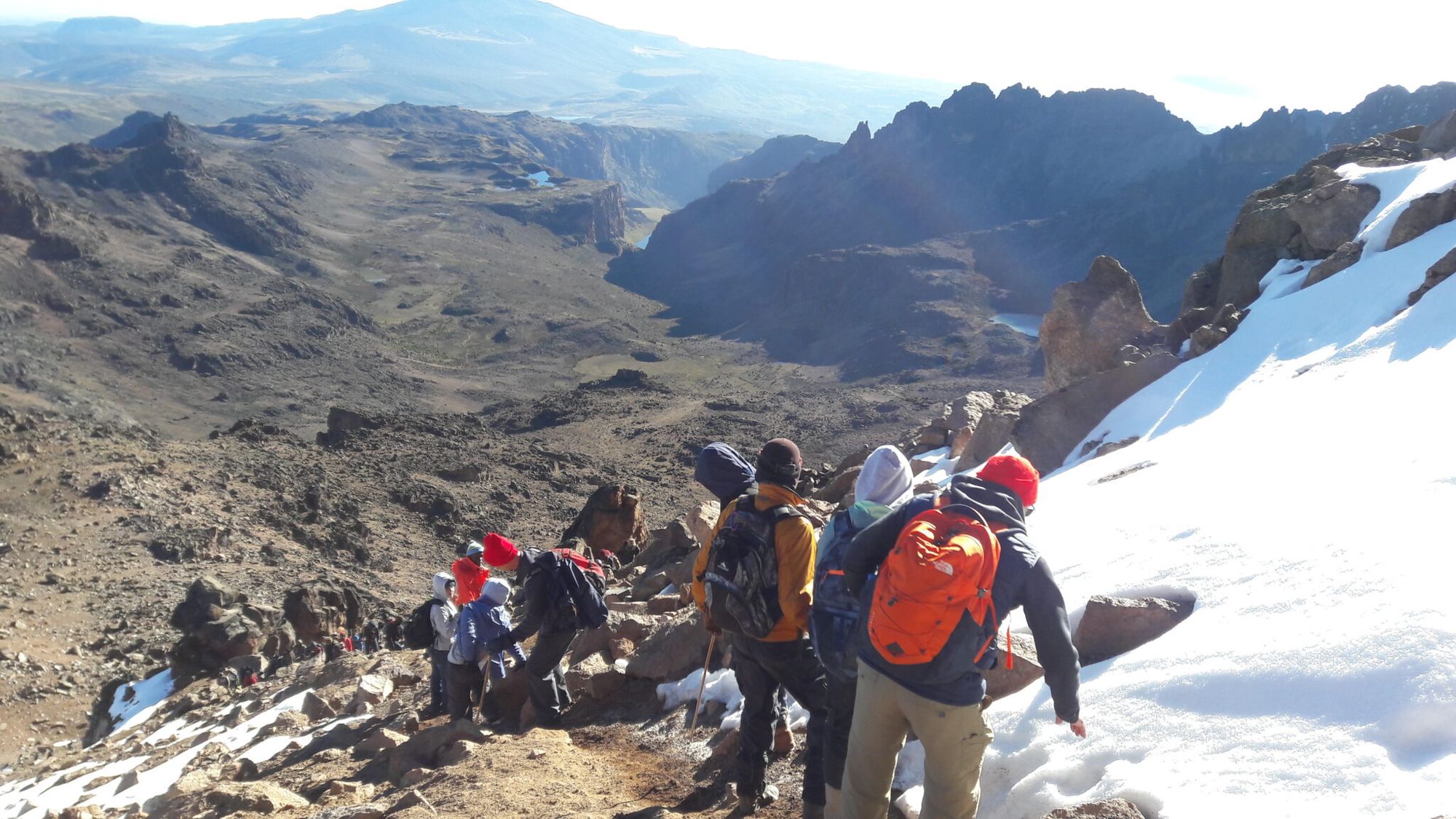
Hikers encounter changing textures underfoot, shifting light across ridgelines, and a steady progression in altitude. Each element contributes to a sense of movement and purpose. The mountain demands attention, yet it rewards persistence with striking views and a strong sense of achievement.
Mount Kenya hiking tours also offer balance. While the terrain introduces physical challenges, the routes remain accessible to a wide range of participants. Careful planning and gradual ascent profiles support safe progression. This structure allows hikers to focus on the journey rather than logistical concerns.
The mountain’s presence shapes the entire experience. Its peaks, valleys, and natural features create a setting that feels both expansive and grounded, making every step part of a larger narrative.
Distinct Terrain and Ecological Zones
Mount Kenya supports a range of ecological zones that influence the hiking experience. Each zone introduces new vegetation, wildlife, and atmospheric conditions.
Forest Belt
The lower slopes feature dense forest with rich biodiversity. Tall trees create a shaded environment, while wildlife activity adds movement and sound. This zone offers a calm and immersive start to Mount Kenya hiking tours.
Bamboo and Moorland
As elevation increases, bamboo gives way to open moorland. This transition reveals wide views and unique plant species. The terrain becomes less enclosed, allowing hikers to appreciate the mountain’s scale.
Alpine Zone
Higher altitudes present rocky landscapes with minimal vegetation. Temperatures drop, and the air becomes thinner. This zone tests endurance while delivering dramatic scenery.
Mount Kenya hiking tours benefit from this ecological progression. Each zone adds depth and variety, ensuring that the journey remains engaging from start to finish.
Popular Routes for Mount Kenya Hiking Tours
Route selection shapes the overall experience. Each path offers distinct features that influence difficulty, scenery, and duration.
Sirimon Route
Gradual ascent with steady elevation gain
Open landscapes and clear visibility
Suitable for acclimatization
Balanced challenge for most hikers
Naro Moru Route
Direct path to higher altitudes
Steeper sections that require stamina
Efficient option for shorter itineraries
Includes notable muddy stretches
Chogoria Route
Diverse scenery with waterfalls and lakes
Longer duration with varied terrain
Strong visual appeal throughout the journey
Ideal for those seeking scenic depth
Burguret Route
Remote and less traveled
Demands physical resilience
Offers a raw and uninterrupted environment
Mount Kenya hiking tours allow hikers to select routes that align with their goals, ensuring a tailored experience.
Structuring a Multi-Day Hiking Itinerary
A well-structured itinerary enhances both safety and enjoyment. Mount Kenya hiking tours typically span several days to allow proper acclimatization and rest.
Key Elements of a Balanced Itinerary
Gradual increase in elevation
Scheduled rest periods
Defined daily distances
Overnight stays at strategic
Hikers progress at a controlled pace, allowing the body to adjust to altitude changes. This approach reduces fatigue and supports overall performance.
Mount Kenya hiking tours emphasize structure without rigidity. Flexibility within the itinerary allows adjustments based on weather and group dynamics.
Physical Preparation for High-Altitude Hiking
Preparation plays a critical role in achieving success on Mount Kenya. The mountain requires consistent effort and endurance.
Recommended Training Focus
Cardiovascular exercises to build stamina
Strength training for legs and core
Practice hikes on uneven terrain
Hikers who prepare effectively manage elevation changes with greater ease. Physical readiness enhances confidence and reduces the likelihood of fatigue-related challenges.
Mount Kenya hiking tours reward preparation. A strong foundation allows hikers to fully engage with the environment and maintain steady progress.
Essential Gear for Mount Kenya Hiking Tours
Proper equipment ensures comfort and safety throughout the journey. Hikers must select gear that suits varying temperatures and terrain conditions.
Core Gear Checklist
Durable hiking boots with a strong grip
Layered clothing for temperature changes
Insulated jacket for higher altitudes
Backpack with adequate capacity
Additional Items
Trekking poles for stability
Water bottles or hydration systems
Headlamp for early starts
Basic first aid kit
Mount Kenya hiking tours require thoughtful packing. Each item contributes to overall efficiency and comfort.
Weather Patterns and Seasonal Considerations
Weather conditions influence visibility, trail quality, and overall experience. Mount Kenya hiking tours operate throughout the year, but seasonal awareness remains important.
Dry Seasons
Clear skies and stable conditions
Improved visibility of peaks
Easier trail navigation
Wet Seasons
Increased rainfall and muddy paths
Lush vegetation and vibrant landscapes
Reduced visibility at higher altitudes
Hikers who align their plans with favorable conditions often experience smoother journeys. However, each season offers unique visual and atmospheric qualities.
Accommodation During the Trek
Accommodation options vary depending on the chosen route and package. Mount Kenya hiking tours typically include structured overnight arrangements.
Mountain Huts
Basic shelter with shared facilities
Protection from weather conditions
Fixed locations along routes
Camping
Flexible setup in designated areas
Closer connection to the environment
Requires additional equipment and support
Accommodation choices influence comfort levels and overall experience. Mount Kenya hiking tours provide options that cater to different preferences.
Safety Measures and Risk Management
Safety remains a priority in all hiking activities. Mount Kenya hiking tours incorporate measures that reduce risks and support well-being.
Key Safety Practices
Gradual acclimatization to altitude
Regular hydration and nutrition
Monitoring of physical condition
Adherence to established routes
Support teams often include experienced personnel who manage logistics and respond to challenges. Their presence enhances confidence and ensures a structured approach.
Mount Kenya hiking tours emphasize preparation and awareness. These elements contribute to a safe and rewarding journey.
Environmental Awareness and Responsible Hiking
Preserving the natural environment remains essential for the sustainability of Mount Kenya. Hikers must adopt responsible practices during their journey.
Responsible Actions
Carry out all waste materials
Respect wildlife and maintain distance
Avoid damaging vegetation
Follow designated trails
Mount Kenya hiking tours encourage environmental responsibility. These practices protect the ecosystem and maintain the mountain’s integrity for future visitors.
The Visual and Emotional Impact of the Journey
Mount Kenya offers more than physical challenge. The mountain creates a space where hikers engage with both landscape and inner focus.
Changing scenery, shifting, and evolving terrain contribute to a sense of progression. Each stage introduces new perspectives, encouraging reflection and appreciation.
Mount Kenya hiking tours provide moments of quiet observation alongside active movement. This balance enhances the overall experience and adds depth to the journey.
Logistics and Accessibility
Access to Mount Kenya involves careful coordination. Hikers typically begin their journey from designated entry points, each linked to specific routes.
Key Logistics Considerations
Transportation to trailheads
Entry permits and regulations
Coordination of support staff
Allocation of time for ascent and descent
Mount Kenya hiking tours simplify these logistical elements through structured planning. This approach allows hikers to focus on the experience rather than administrative details.
Balancing Challenge with Enjoyment
Mount Kenya presents a challenge that requires effort and persistence. However, the experience remains accessible through proper planning and pacing.
Hikers can adjust their approach based on fitness level and personal goals. Some focus on reaching higher, while others prioritize scenic appreciation.
Mount Kenya hiking tours offer flexibility within a structured framework. This balance ensures that participants remain engaged without feeling overwhelmed.
Conclusion
Mount Kenya hiking tours deliver a layered experience defined by diverse terrain, structured itineraries, and meaningful progression. The mountain’s natural features create a setting that challenges and rewards in equal measure.
Hikers benefit from careful planning, appropriate preparation, and responsible practices. Each element contributes to a journey that remains both demanding and fulfilling.
With the right approach, Mount Kenya hiking tours provide a lasting sense of achievement and a deep connection to a remarkable natural environment.
FAQs
1. What makes Mount Kenya hiking tours unique?
Mount Kenya hiking tours stand out due to their ecological diversity and structured routes. Hikers experience multiple terrain zones within a single journey. This variety creates a dynamic environment that combines physical challenge with visual appeal, making the experience both engaging and rewarding.
2. How difficult are the hiking routes?
Difficulty levels vary by route. Some paths offer gradual ascents suitable for beginners, while others require stronger endurance. Proper preparation and pacing allow hikers to manage challenges effectively and complete the journey with confidence.
3. What is the ideal duration for a hike?
Most itineraries range from four to seven days. This duration allows adequate acclimatization and steady progression. Shorter options exist but may require higher fitness levels due to faster elevation gain.
4. Do hikers need prior experience?
Prior experience is not mandatory for all routes. Beginners can choose less demanding paths and follow structured itineraries. However, good physical fitness and preparation remain essential for a successful hike.
5. What type of accommodation is available?
Accommodation includes mountain huts and camping options. Huts provide basic shelter, while camping offers a more immersive experience. The choice depends on personal preference and the selected route.
6. What should hikers pack?
Hikers should carry layered clothing, sturdy boots, and essential gear such as trekking poles and hydration systems. Proper packing ensures comfort and supports performance throughout the trek.
7. How do hikers handle altitude changes?
Gradual acclimatization plays a key role in managing altitude. Structured itineraries include rest periods and controlled ascent rates. These measures help reduce the risk of altitude-related challenges.
8. Are permits required for hiking?
Yes, hikers must obtain permits to access Mount Kenya. These permits cover entry and conservation requirements. Organized tours typically include these arrangements as part of the itinerary.
9. When is the best time for hiking?
Dry seasons offer clear skies and stable conditions, making them ideal for hiking. Wet seasons provide lush scenery but may involve challenging trail conditions. Hikers can choose based on their preferences.
10. Can hiking tours be customized?
Many Mount Kenya hiking tours allow customization. Hikers can adjust routes, duration, and services to match their goals. This flexibility ensures a personalized experience tailored to individual needs.